Part 5 of 12 of the theme 'Lessons from Revelation ' by Gijs van den Brink
It was not until around 1500 that the first organ appeared in church as an accompaniment instrument. Before that it was "not done" for many reasons. For the positive appreciation of music in the meetings that we find in the book of Revelation, the church on earth did not pay attention for a long time. Why not? It is a difficult book and there was a long tradition of undervaluing the book of Revelation. That is thankfully different in our time.
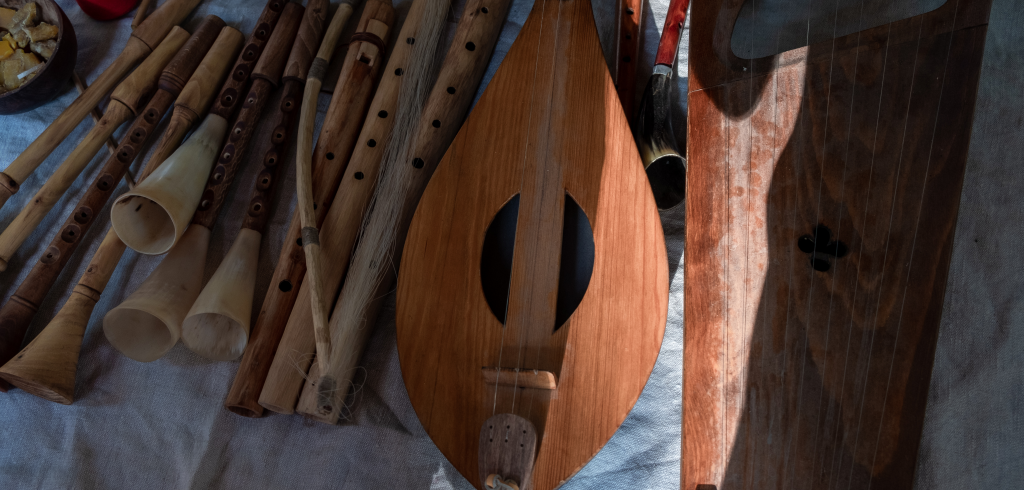
In the heavenly assemblies in Revelation there is much singing and citterns or lyres play an important role (Rev. 5:8; 14:2; 15:2) and angels there blow trumpets (8:2,7v.).
In heaven, not only is there simply singing together, but we also hear of turn singing. These are songs in which different groups take turns singing, often with question and answer. It occurs as many as six times in the book of Revelation. We want to highlight one event here, namely Rev. 5:7-14.
The Lamb approaches and takes the book from the right hand of Him who sits on the throne. This verse describes the great moment when Jesus Christ accepts kingship over all things (Mat. 28:18) and when He takes His seat on His throne next to the Father.
The following verses (vs.8-14) describe the jubilant reactions of creation to this salvific event. First to respond are the four living creatures and the twenty-four elders. They represent creation and believers, respectively. They form the first group in a three-part turn hymn. Before they come to their actual praise, they fall down in worship before the Lamb. No praise without worship. And then two notable mentions follow. They have a musical instrument in their hand and bowls of incense. Of the latter, John briefly explains what it means: these are the prayers of the saints on earth.
So here we get a glimpse into the proceedings of a heavenly assembly. Praise takes place in worship, is accompanied by intercessory prayer and there is musical instrument accompaniment.

Author: Gijs van den Brink
From: Study Bible Magazine
This is part 5 of 12 concise blog on the topic of "Lessons from Revelation" from Study Bible Magazine, Some of which we will be posting online in the near future. We hope this will help you understand the Bible better!